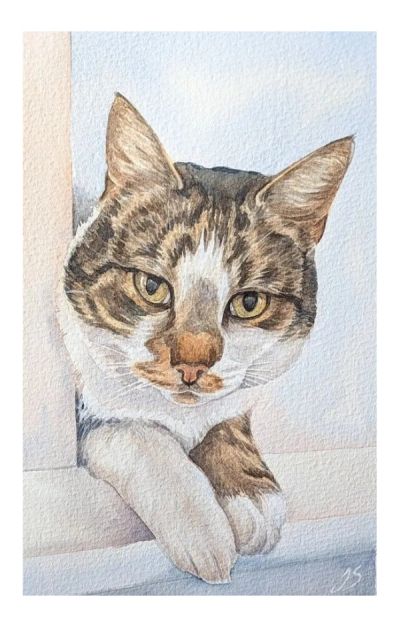
Hand-Painted Pet Portraits from £95 - Commissions Open

Jo Shepherd
Pet Portraits

Jo Shepherd Pet PortraitsJo Shepherd Pet PortraitsJo Shepherd Pet Portraits
  • Home
  • About Me
  • Pet Portraits
  • Testimonials
  • Prices
  • Contact
  • Portraits by Type
    • Dog Portraits
    • Cat Portraits
    • Rabbit Portraits
    • Memorial Pet Portraits
  • Portrait Guides & Advice
    • FAQs
    • How it Works
    • Size Guide
    • Photo Guide
    • Framing Advice
    • Gifting a Pet Portrait
  • Blog
  • More
    • Home
    • About Me
    • Pet Portraits
    • Testimonials
    • Prices
    • Contact
    • Portraits by Type
      • Dog Portraits
      • Cat Portraits
      • Rabbit Portraits
      • Memorial Pet Portraits
    • Portrait Guides & Advice
      • FAQs
      • How it Works
      • Size Guide
      • Photo Guide
      • Framing Advice
      • Gifting a Pet Portrait
    • Blog

Jo Shepherd
Pet Portraits

Jo Shepherd Pet PortraitsJo Shepherd Pet PortraitsJo Shepherd Pet Portraits
  • Home
  • About Me
  • Pet Portraits
  • Testimonials
  • Prices
  • Contact
  • Portraits by Type
    • Dog Portraits
    • Cat Portraits
    • Rabbit Portraits
    • Memorial Pet Portraits
  • Portrait Guides & Advice
    • FAQs
    • How it Works
    • Size Guide
    • Photo Guide
    • Framing Advice
    • Gifting a Pet Portrait
  • Blog
Woman in a frame shop holding a frame corner, selecting the perfect frame for a custom pet portrait
Keep Your Portrait Looking It's Best

Framing & Care Advice

A little care goes a long way in keeping your watercolour portrait bright and beautiful for years to come. Here you’ll find tips on framing, displaying, and protecting your artwork from damage. 


I recommend professional framing vs shop bought frames and you'll discover why in this guide. 


Protect and Enhance Your Portrait

Take your time exploring - Discover valuable tips and advice on framing your pet portrait professionally or at home.


  • Framing a Pet Portrait
  • Why Framing Matters
  • Professional vs Shop Bought
  • Framing Your Portrait at Home
  • Why I Recommend Professional Framing
  • Caring For Your Pet Portrait
  • Hanging Your Portrait
  • Finding a Framer

Framing a Pet Portrait

Memorial pet portrait of a beloved tabby cat, hand-painted in watercolour to capture lifelike detail

Your pet portrait has arrived!

Let's imagine, you have commissioned (or been gifted) a bespoke, hand-painted pet portrait. The character and likeness of your pet have been captured beautifully in a custom watercolour that you will cherish for years to come!


You might be wondering...what to do next?

While a simple shop bought frame can absolutely work, there are a few things worth knowing so that your original watercolour artwork lasts the test of time as well as looking great in your home.

Things worth considering:

  • What factors can damage a watercolour artwork over time?


  • What are the benefits of having my pet portrait professionally framed?


  • Where should I hang my pet portrait?


All of these questions and many more are answered in this guide. If you have further questions don't hesitate to get in touch.

Why Framing Matters

Watercolour pet portrait reviews from happy customers, by Jo Shepherd, UK pet portrait artist

Watercolour pet portraits are delicate

Your watercolour pet portrait is a hand-painted original, and factors such as light, moisture and dust can affect it over time, which is why good framing plays such an important part in protecting it.


A well chosen frame will also enhance your portrait - helping it stand out, feel polished and sit beautifully within your home.

Professional vs Shop Bought

Professional Framing

Professional Framing

Professional Framing

  • Archival quality, acid-free materials
  • Knowledge and expertise
  • Customisation and better choice of aesthetics
  • More expensive but a worthwhile investment for a valuable or sentimental original painting


Shop Bought Frames

Professional Framing

Professional Framing

  • Affordable and convenient but can damage a watercolour over time
  • It is advisable to purchase separate acid-free mounts and backing boards, to ensure the artwork is protected
  • Limited options for customisation and aesthetics

Framing Your Portrait at Home

Memorial pet portrait of a beloved tabby cat, hand-painted in watercolour to capture lifelike detail

If you’re framing your portrait yourself, here are a few simple tips to help you protect it:

Choose a frame with a mount

A mount is the white border around the artwork. It prevents the painting from touching the glass, which is important for watercolours.

Use acid-free materials

Acid-free mounts and backing boards help prevent yellowing over time. 


A backing board is the board that sits behind your painting inside the frame, supporting it and keeping it flat. You can find acid-free mounts and boards in most art or hobby shops.

Secure the painting safely

Never use masking or sticky tape directly on the artwork — it can damage the paper over time.


Use archival photo corners to hold the corners in place, or an archival hinge along the top edge if extra stability is needed. This keeps the painting secure while allowing it to expand slightly with humidity.

Check the back of the frame

Think of your frame like a sandwich: the painting sits in the middle, with a backing board behind it, and the outer back panel holding everything together. 


Many shop-bought frames have a thin brown cardboard backing, which can attract moisture and damage your painting. If you see this, replace it with an acid-free backing board. Make sure the outer back panel is securely in place to keep everything snug, helping prevent dust, moisture, and insects from getting inside.

Make sure the portrait isn't squashed

Your artwork shouldn’t be pressed tightly against the mount or glass.
It should sit comfortably inside the frame with no bowing, bending, or crinkling.

Keep everything clean before closing the frame

Wipe the inside of the glass and gently dust the mount so no bits get trapped around the artwork.

Why I Recommend Professional Framing

Protection

Framing Protects Your Portrait From Damage.

A professional framer will use:


  • Acid-free mount and backing to prevent aging


  • UV-protective glass to prevent fading


  • A sealed frame to keep out dust, moisture and pollutants


This creates a safe, stable environment so your portrait stays bright and beautiful for decades.

Aesthetics

A Good Frame Makes Your Portrait Look "Finished"

Professional framing doesn't just protect your painting - it elevates it.


  • A mount gives the portrait breathing space. You can also choose custom colours that complement and enhance the painting


  • The right frame style helps it blend in OR stand out in your home. You will have many more options with a framer


  • It adds depth and presence, making the portrait feel complete

Customisation

For Memorial Portraits, Framers Can Add Personal Touches

If your portrait is a memorial piece, a professional framer can make it even more meaningful. 


Many offer thoughtful and special additions such as:


  • your pet's name tag


  • a favourite collar 


  • a personalised engraved plaque


These touches can be integrated into the mount or frame itself, creating a tribute that feels deeply personal and beautifully honouring.

Caring For Your Pet Portrait

Memorial pet portrait of a beloved tabby cat, hand-painted in watercolour to capture lifelike detail

What Factors Can Damage a Watercolour Artwork Over Time?

Watercolours are a delicate medium and you may not be aware of some key factors that can prevent them from looking their best over time. 


Environmental Factors

  • Light Exposure


  • Humidity and Temperature Fluctuations


  • Insects and Mould

Material and Physical Factors

  • Improper Framing


  •  Poor Quality Materials


  • Contact with Glass

Hanging Your Portrait

Things To Consider When Positioning Your Pet Portrait

Once your pet portrait is framed, professionally or otherwise, you'll want to choose the right place to hang it so it stays in perfect condition.


Lighting:

Avoid direct sunlight or harsh artificial light, as this can cause fading over time. Soft, indirect light is best for maintaining vibrancy.


Wall: 

Try not to hang your portrait on the inside of an external wall. These can be colder, increasing the chance of condensation forming behind the frame.


Room temperature and humidity:

Keep your portrait in a room with stable, moderate conditions. Avoid bathrooms, kitchens or areas prone to steam or large temperature changes.


Airflow:

Avoid placing it directly above radiators, heaters or air vents, where heat or airflow can affect both the frame and the paper inside.

Finding a Framer

Watercolour pet portrait reviews from happy customers, by Jo Shepherd, UK pet portrait artist

Look around and compare your options

If you do decide to explore professional framing, a quick Google search such as "picture framing near me" or "custom framing [your town]" is usually the best place to start.


It can be helpful to visit one or two framers in person and chat with them directly.


Let them know it's an original watercolour and show them photographs so that they can talk you through possible options. You'll be able to compare styles, see examples and get quotes.


If you do have your portrait professionally framed, don't forget to

share your photos 

Did You Find This Helpful?

These guides provide extra advice on ordering a pet portrait
How it WorksSize GuidePhoto GuideGifting a Pet Portrait

Jo Shepherd- Pet Portraits | Lincoln, Lincolnshire, East Midlands, UK


Copyright © 2020 Jo Shepherd Pet Portraits - All Rights Reserved.

  • Home
  • About Me
  • Pet Portraits
  • Testimonials
  • Prices
  • Contact
  • Blog

Jo Shepherd - Pet Portraits uses cookies.

I use cookies to understand how my site is used, improve your experience, and help grow my small business. You can choose to accept or decline non-essential cookies.

No thanks That's fine